What it is
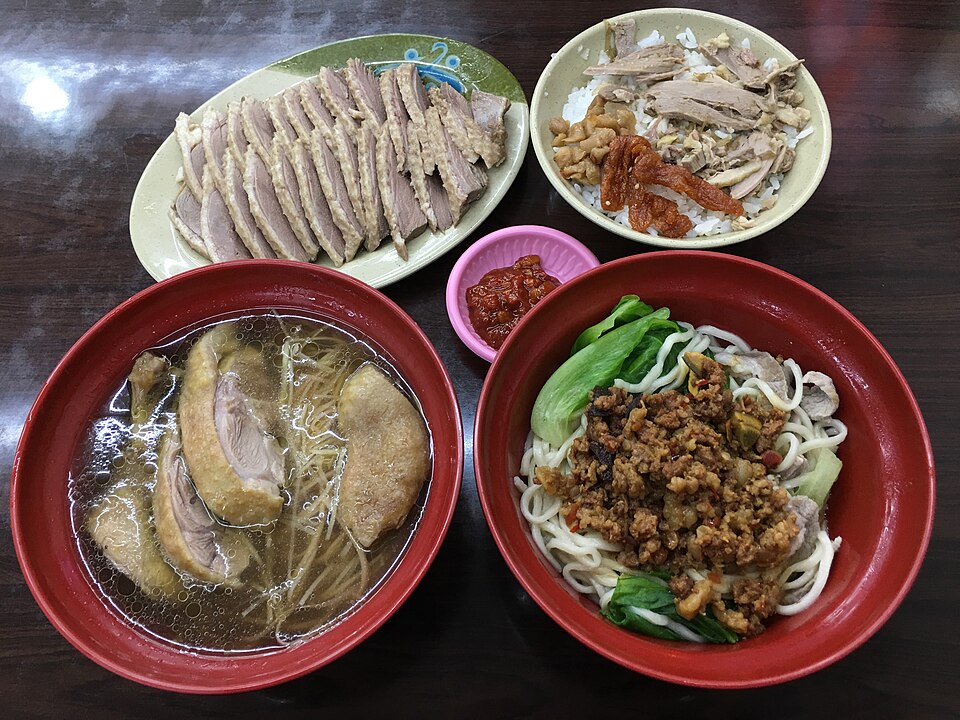
Shantou noodles (汕頭麵) are a plain bowl of chewy noodles, thin or thick, usually served dry (乾麵) and sometimes in soup. The dressing varies from shop to shop. Lard or shallot oil and garlic are common, with bean sprouts or chives. Some shops add a minced pork sauce; others use a herbal braising liquid instead.
Where it came from
Shantou is a port in eastern Guangdong and the home of the Teochew (潮汕) people. Its ties with Taiwan go back a long way: the Tainan writer Wang Hao-yi notes that after the treaties of the 1860s opened Anping and other ports, ships ran regularly between Tainan and Shantou, and Shantou people settled in the city.
The noodle shops that carry the name today point to later arrivals. In the 1950s Shantou was one of the routes by which soldiers and civilians reached Taiwan, and some noodle makers came with them. Many were resettled in Zhonghe and Yonghe, now in New Taipei. Locals learned the craft from them, opened stalls and named the noodles after their teachers' home city.
The label is a loose one. A National Library note on yi mian (伊麵), quoted by the columnist Yu Fu (魚夫), says the early makers of those noodles in Taiwan were mostly from Shantou, and that calling them Shantou noodles is a mistake.
How it is made
The dough is pressed and rolled again and again to give the noodles their bite. In New Taipei, shops boil them and dress them with a lean minced pork sauce cooked with ginger, plus shallot oil and garlic; the soup version uses a long-simmered pork-bone stock. Lu's in Kaohsiung skips the meat sauce. Its noodles are tossed with lard, fried shallots, garlic paste and herbal braising liquid, then topped with bean sprouts and a few thin slices of pork.
How to eat it
Many shops in Zhonghe and Yonghe open early, so this is often breakfast or lunch. Mix the noodles well so the fat and sauce coat every strand. Most shops also sell braised side dishes (滷味) such as tofu, kelp, eggs and pork cuts, which go well alongside. Black vinegar, shacha and chilli sauce are common seasonings.
Around Taiwan
- Tainan
- Tainan's Shantou link is older and separate. Migrants from Shantou who arrived after the 1860s brought fish noodles (魚麵), made mainly from lizardfish, and a handful of family shops in the city still make them.
- Kaohsiung
- Lu's Shantou Noodles (呂汕頭麵), beside the Daitian Temple in Hamasen, was started more than 60 years ago by a Shantou man, Mr Wu. The Lu family took over more than 30 years ago. The braising liquid steeps 12 herbs in kaoliang and rice wine for four months.
- North
- China Times describes Zhonghe and Yonghe in New Taipei as the area with the most Shantou noodle shops in Taiwan. The oldest, opened in 1976, is now run by the third generation.