What it is
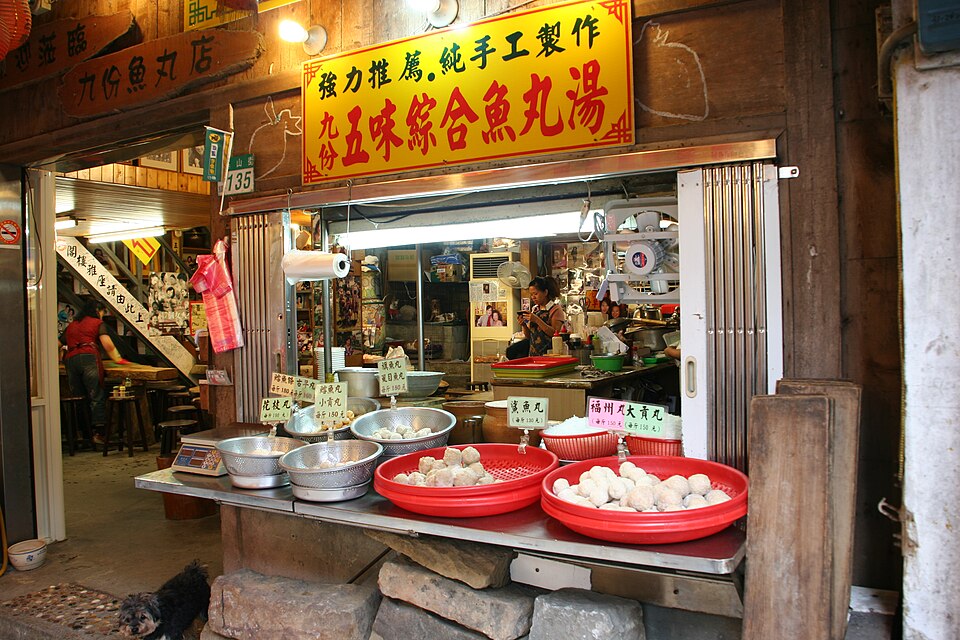
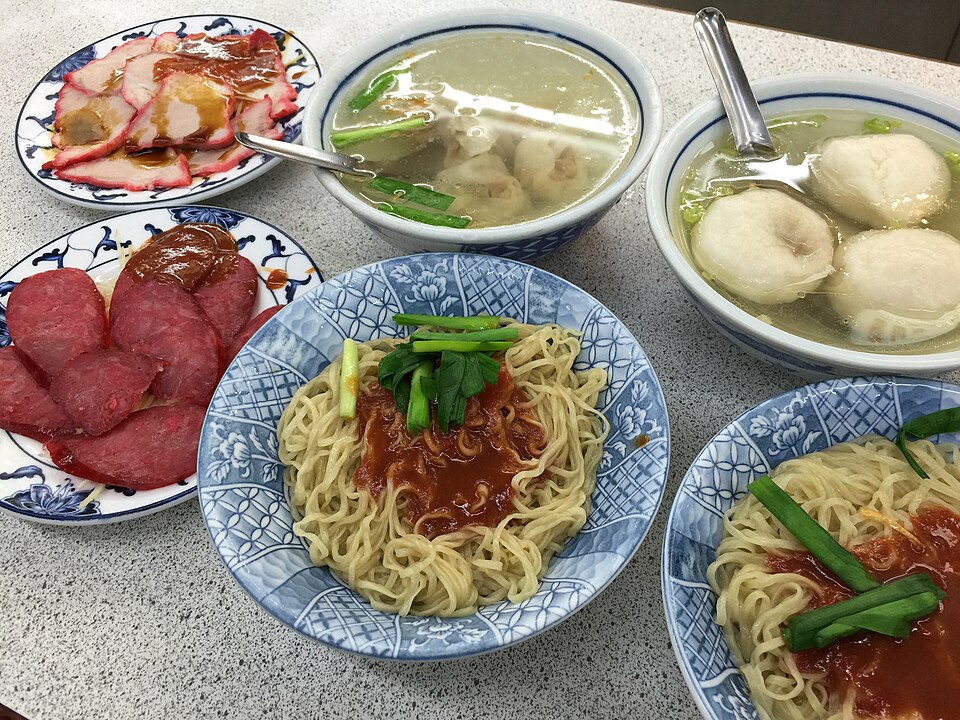
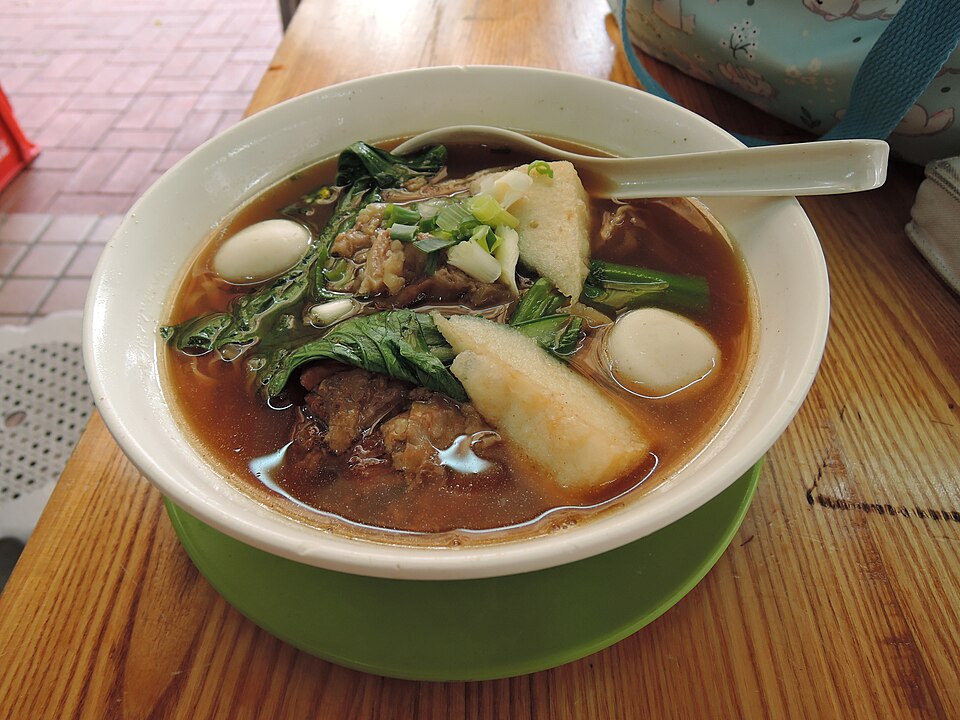
Qiyu wan tang (旗魚丸湯) is a light broth holding fish balls made from marlin, finished with chopped Chinese celery. Taiwanese cooks aim for a bouncy bite, which locals call 'Q'. A mixed bowl (綜合) brings several kinds of ball made on the same marlin base, some with pork or shrimp worked into the paste.
Where it came from
Fish balls are made all over Taiwan, from milkfish, shark, lizardfish and pike eel as well as marlin. Off Taitung, marlin are at their fattest in November and December. Chenggong (成功) there is known as the home of the marlin, and fishermen there still take the fish by harpoon.
In Kaohsiung the soup is tied to Hamasen (哈瑪星), land reclaimed from the harbour under Japanese rule. The district was once the centre of the city's politics, trade and fishing. Hamasen Black Marlin Fish Ball King (哈瑪星黑旗魚丸大王) opened at the entrance of Daitian Temple (代天宮) in 1953, and the founder's sons now run it. Its marlin comes from Donggang (東港) in Pingtung.
How it is made
The fish is ground and worked with salt and ice into a smooth, sticky paste. Long mixing stretches the proteins, which gives the balls their spring, and some makers add starch. The paste is shaped into balls, set in warm water and then boiled. The Hamasen shop uses black marlin belly meat. It mixes pork and dried flatfish into one kind of ball and shrimp with water chestnut into another.
How to eat it
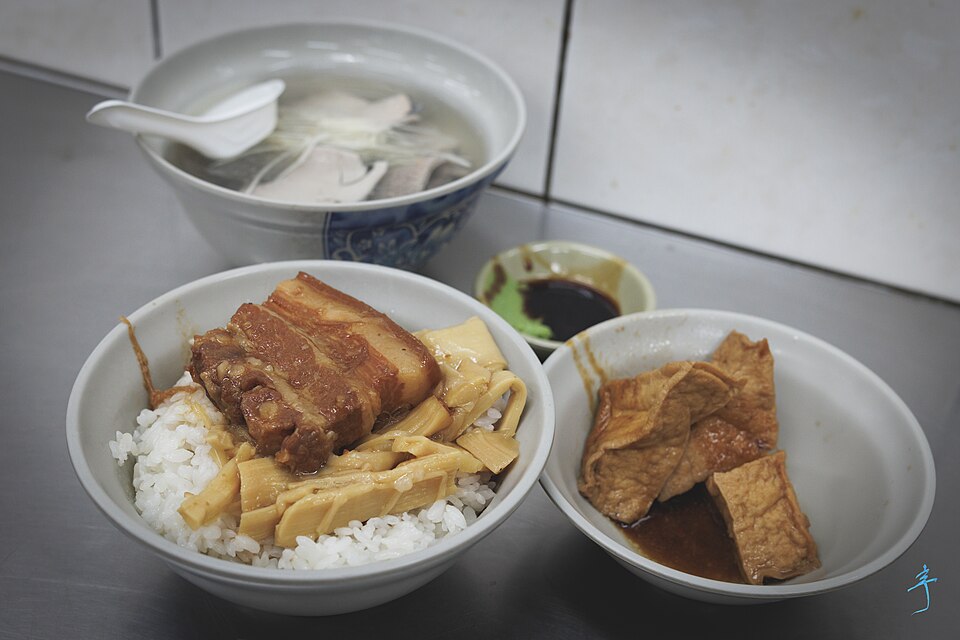
At Hamasen the standard order is the mixed soup with a small bowl of minced pork rice (肉燥飯), and the shop also sells gua bao. Ask for 綜合 to get all three kinds of ball. Weekend queues can be long.
Around Taiwan
- Kaohsiung
- The Hamasen shop sits among the snack stalls outside Daitian Temple. Across the street, Lu's Shantou Noodles (呂汕頭麵), run by a daughter-in-law of the same family, has traded for more than 60 years.