What it is
Crab ball (蟳丸) is one of the house-made items on a xiangchang shurou (香腸熟肉) platter, Tainan's counterpart to the mixed cold cuts Taipei calls heibaiqie (黑白切). 蟳 means mud crab, yet the dish usually contains no crab. It is a long, flat slab of pork, water chestnut, egg and starch batter with a faint sweetness.
Where it came from
Tainan's cold-cut trade traces back to the thrift of early farming households, which turned odd cuts into small side dishes.
The crab ball has a grander past. Mirror Media describes it as a once-famous banquet dish, one of four old handmade classics with shrimp dates (蝦棗), pork liver rolls (豬肝捲) and fen chang (粉腸), a starchy pork sausage. In that account the early versions really did contain crab. Because crab was dear, some cooks used shrimp instead, and the lower price took the dish off the banquet table and into ordinary snack shops. Today some shops still add shrimp and others do not, and each guards its own recipe. Chiayi knows the same food as 蟳粿.
How it is made
Minced pork is mixed with chopped water chestnut, egg and a starch batter. Some cooks fold in shrimp, and one Chiayi breakfast shop uses fatty pork neck (松阪豬) for its sweetness. The mixture is formed into a long slab and steamed, then sliced into bite-size pieces.
How to eat it
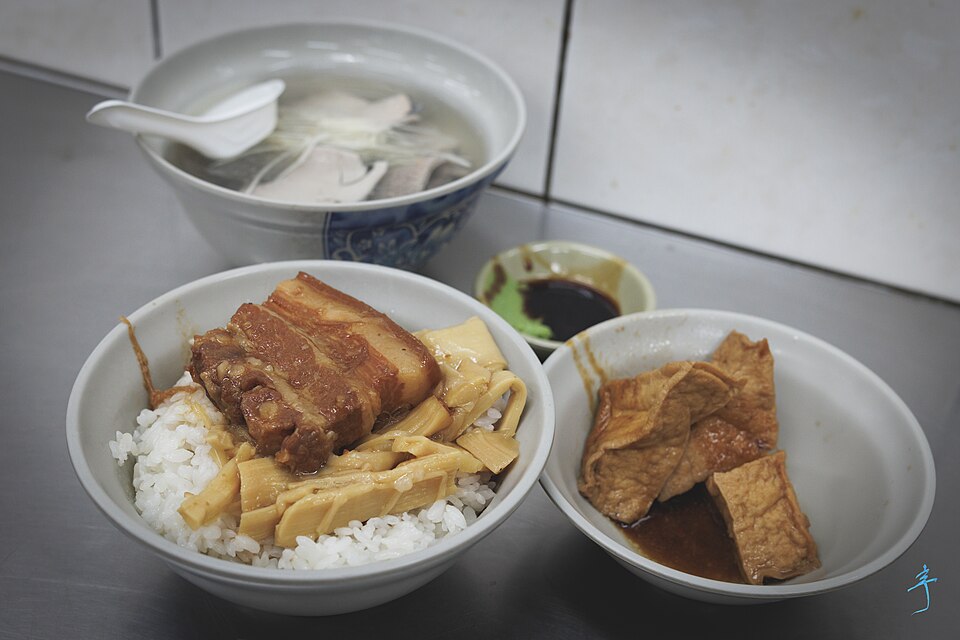
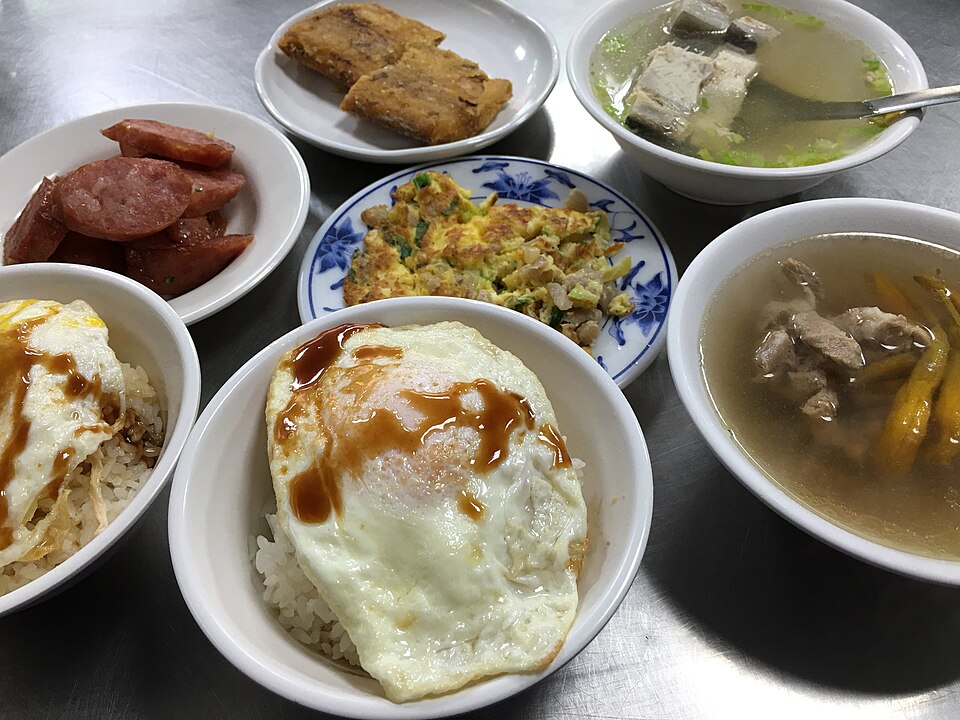
It usually comes as part of a mixed plate with sausage, fen chang, mullet roe and other cuts, often served cold. Soy paste (醬油膏) or wasabi comes on the side for dipping. Point at what you want at the counter, or let the shop make up a plate for the number at the table.
Around Taiwan
- Tainan
- Tainan's cold-cut shops all sell it. Hsin Hsin (欣欣餐廳), whose family has sold cold cuts in the city for three generations, keeps its heritage fen chang and crab balls (粉腸蟳丸) permanently on the menu.
- South
- In Chiayi it goes by 蟳粿 and is a standard side at breakfast shops, eaten with braised pork rice. The texture is soft, a little like a savoury-sweet radish cake.