What it is
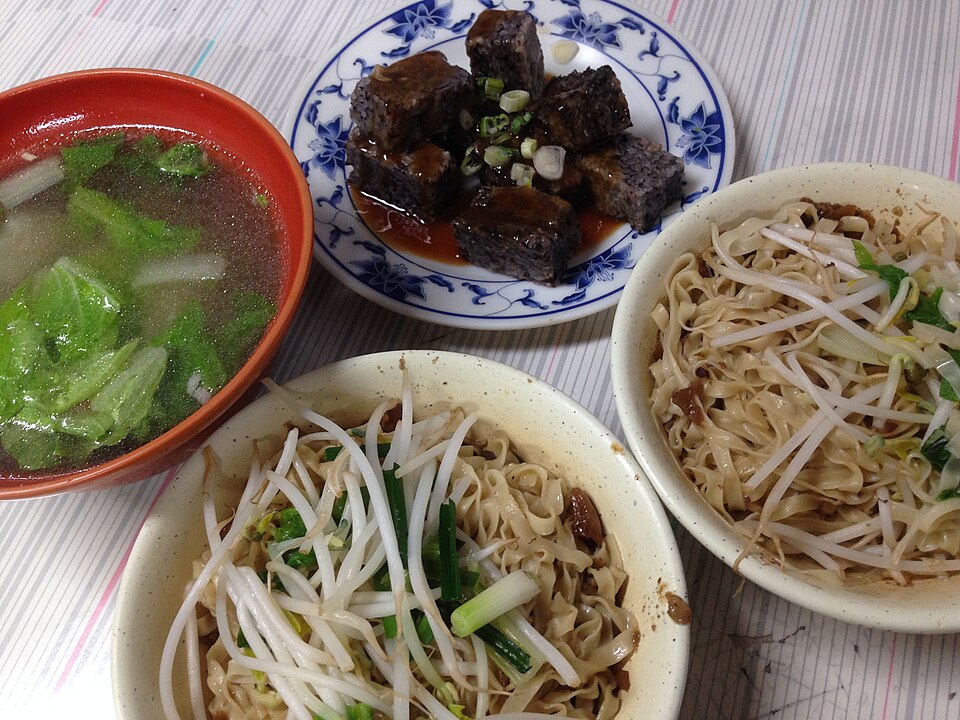
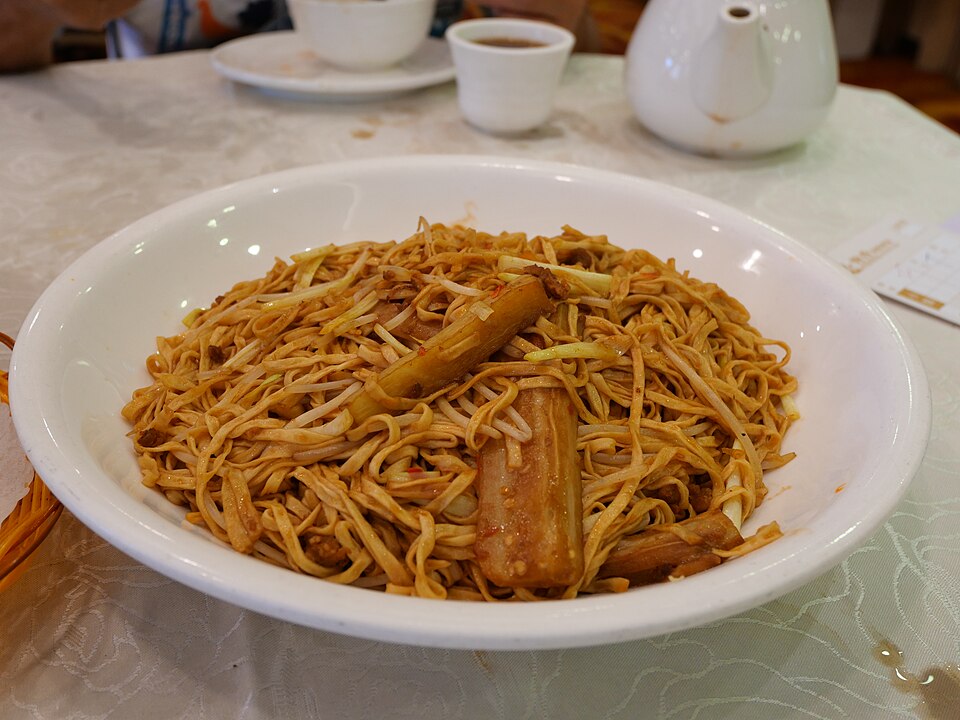
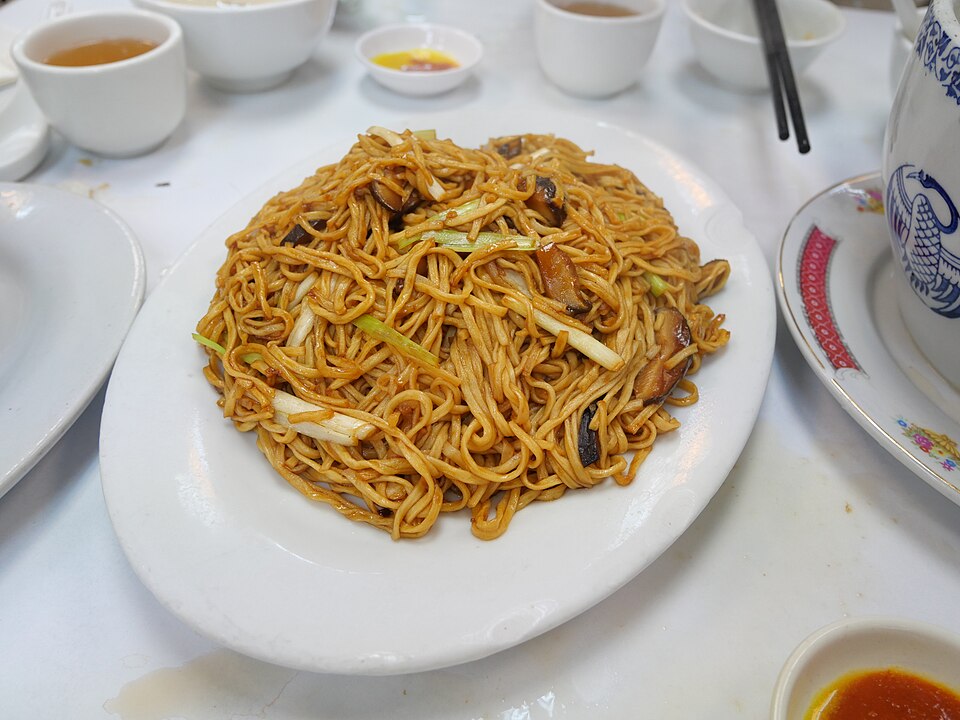
Yi mian (意麵) are wheat noodles enriched with egg, soft with a slight chew. Taiwan eats them in two main ways. Dry yi mian (乾意麵) is tossed with minced pork sauce, a few slices of pork and bean sprouts. Guo-shao yi mian (鍋燒意麵) is a single pot of fried noodles cooked in broth with seafood, meat, egg and vegetables.
Where it came from
The name echoes Cantonese yi mein, traditionally credited to the Qing official Yi Bingshou (1754–1815). Taiwanese accounts vary. A popular story says Fuzhou cooks in Koxinga's army first made the noodles in Yanshui (鹽水), which is why they are also called Fuzhou yi mian (福州意麵).
For the pot-cooked dish, one theory points to Japanese nabeyaki udon. A legend tells of a Qianlong-era banquet where the cook fried the noodles by mistake. Lin Yang-ming (林揚茗), fifth generation of the Tainan noodle maker Fusheng Foods (福昇食品), doubts both. He prefers a trade story about noodle makers who called out 'yi, yi' as they pulled the dough, with frying added later so the noodles would keep. In the 1980s the Sakariba (沙卡里巴) snack market made the dish popular, and Tainan began eating it as a main meal. Minzu Guo-shao (民族鍋燒老店), a family business dating from 1963, calls itself the dish's originator.
How it is made
Yanshui makers bind the dough with duck eggs instead of water and dry the noodles in the sun, which keeps them without preservatives. For guo-shao, the noodles are fried first so they store well, then simmered to order in a small pot of broth with the toppings. Broths vary. One old Tainan family uses bonito stock learned from a Japanese chef, many shops use shacha (沙茶) and some use kombu.
How to eat it
In Tainan, pot-cooked yi mian is eaten as a full meal. Dry yi mian is a lighter bowl, often paired with pork thick soup (肉羹) and sides such as braised egg or fried tofu. Add chilli to taste. Some shops let diners choose the noodle and how firm it is cooked.
Around Taiwan
- Tainan
- Lin Yang-ming reckons Tainan eats more pot-cooked yi mian in a year than the rest of Taiwan combined, and counts more than 30 noodle factories in the area. Yanshui District keeps its own dry style, served with meat sauce and bean sprouts.
- Kaohsiung
- A-Wan Yi Noodles (阿萬意麵) on Sanmin Street (三民街) opened in 1963 and is said to be one of the city's oldest yi mian shops. Its hand-made, sun-dried egg noodles follow the method of the owner's uncle by marriage, who came from Yanshui.