What it is
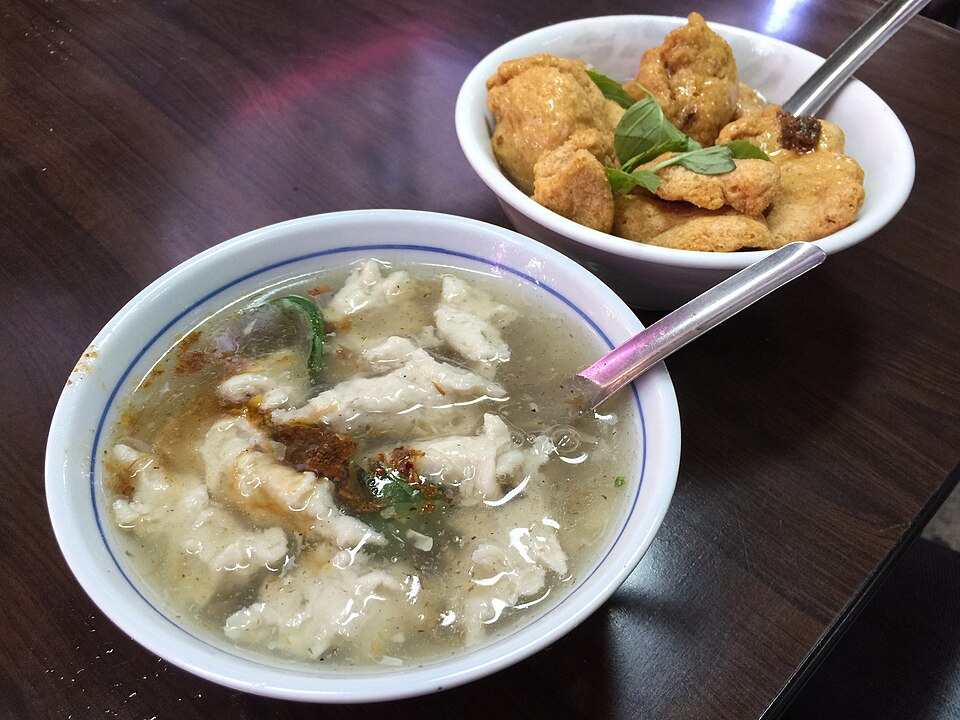
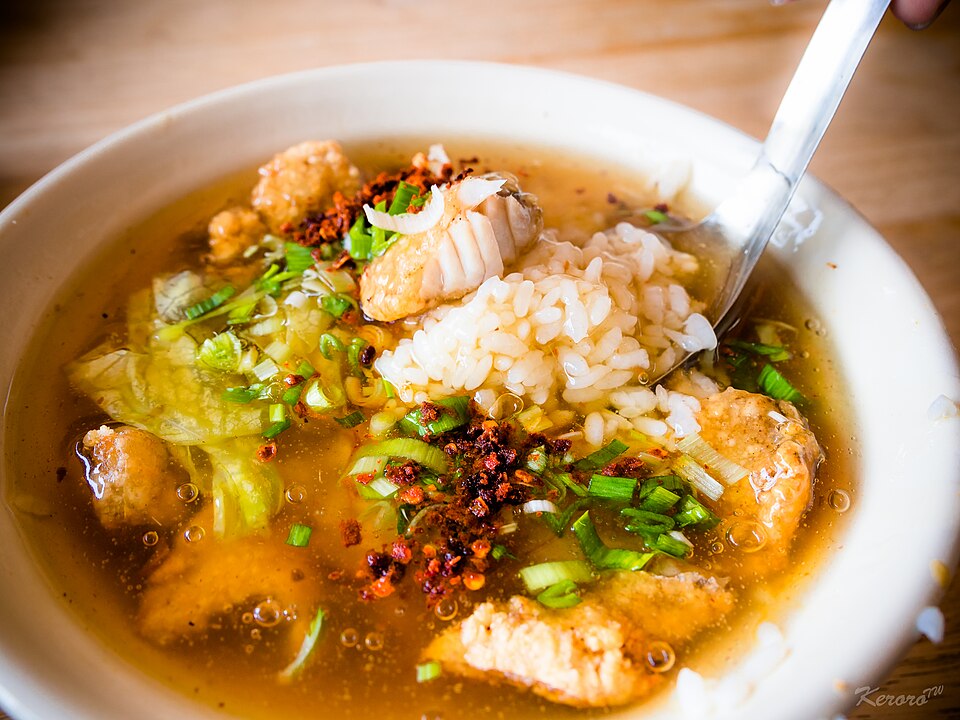
Milkfish thick soup (虱目魚羹) belongs to the geng (羹) family of starch-thickened soups, and shop signs often write the character as 焿. Minced milkfish is beaten into a paste and shaped into strips or nuggets. The pieces rise to the top as they cook, which gives the common name floating milkfish thick soup (浮水虱目魚羹).
Where it came from
Milkfish farming in Tainan goes back to Dutch rule in the 17th century. The fish is so closely linked with the city that restaurants elsewhere in Taiwan put 'Tainan milkfish' in their names.
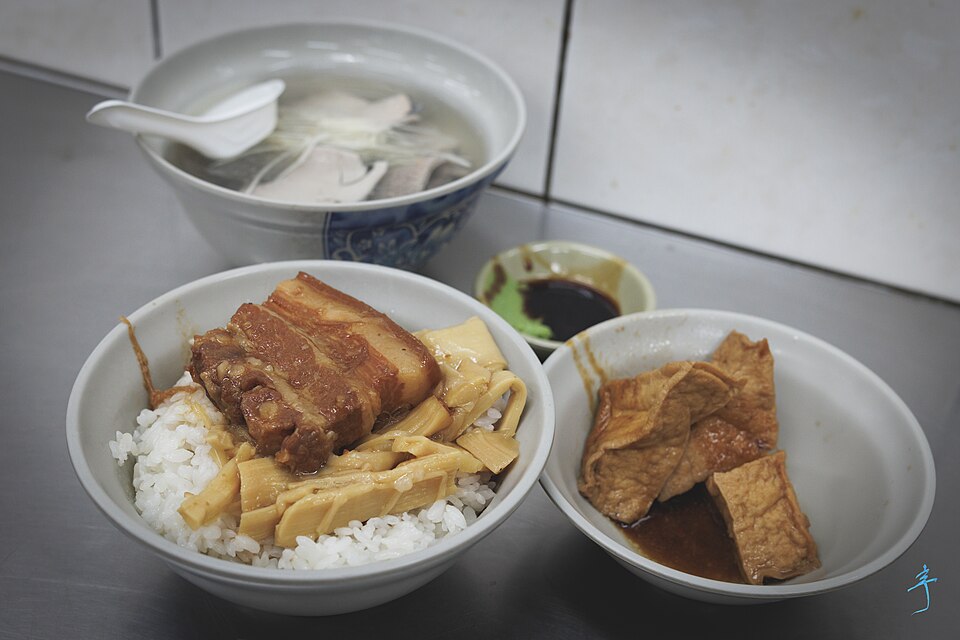
In Tainan the soup is the standard companion to wa gui (碗粿), the city's steamed savoury rice pudding. Wa gui sellers there insist that their fish paste must be milkfish, or the broth will not taste sweet. Hsiao Nan Wa Gui (小南碗粿), which opened in 1952 in a snack hall at the Dongmen roundabout, still sells the pair today.
How it is made
The belly, the most prized cut, is usually served on its own. The back meat (loin) is minced and worked into a paste. Cooks shape it into strips or chunks and drop them into simmering broth. Usually the paste is the only solid, but Ah Feng in Tainan wraps pieces of milkfish flesh inside it, so each bite pairs soft fish with a springy coat. The broth is thickened with starch.
How to eat it
In Tainan it is ordered next to a bowl of wa gui. Like other geng it can also come over noodles, rice noodles or flat rice noodles (粄條); a geng with noodles is called a 羹麵.
Around Taiwan
- Tainan
- Wa gui shops across Tainan sell milkfish soup as standard. Hsiao Nan Wa Gui makes its paste softer and chewier than most. Yi Wei Pin (一味品) in Yongle Market, a Bib Gourmand wa gui shop opened in 2013, also has a popular milkfish thick soup.