What it is
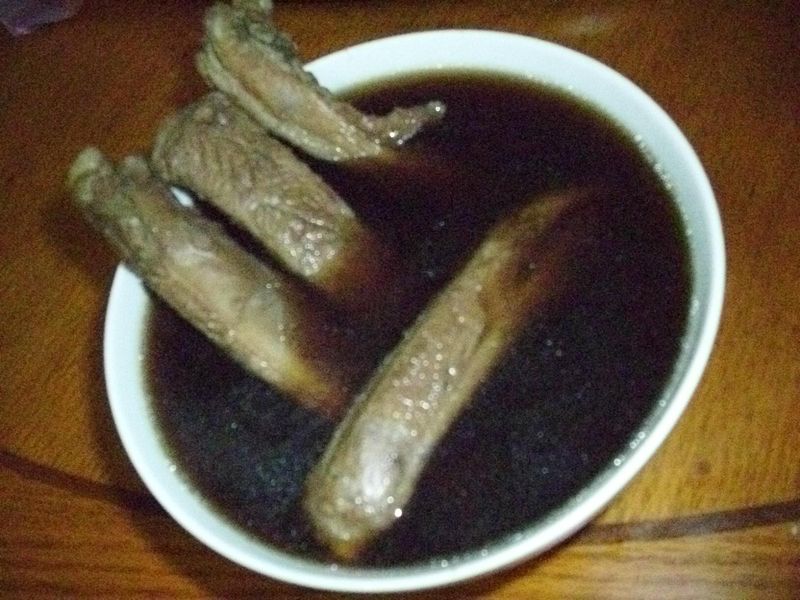
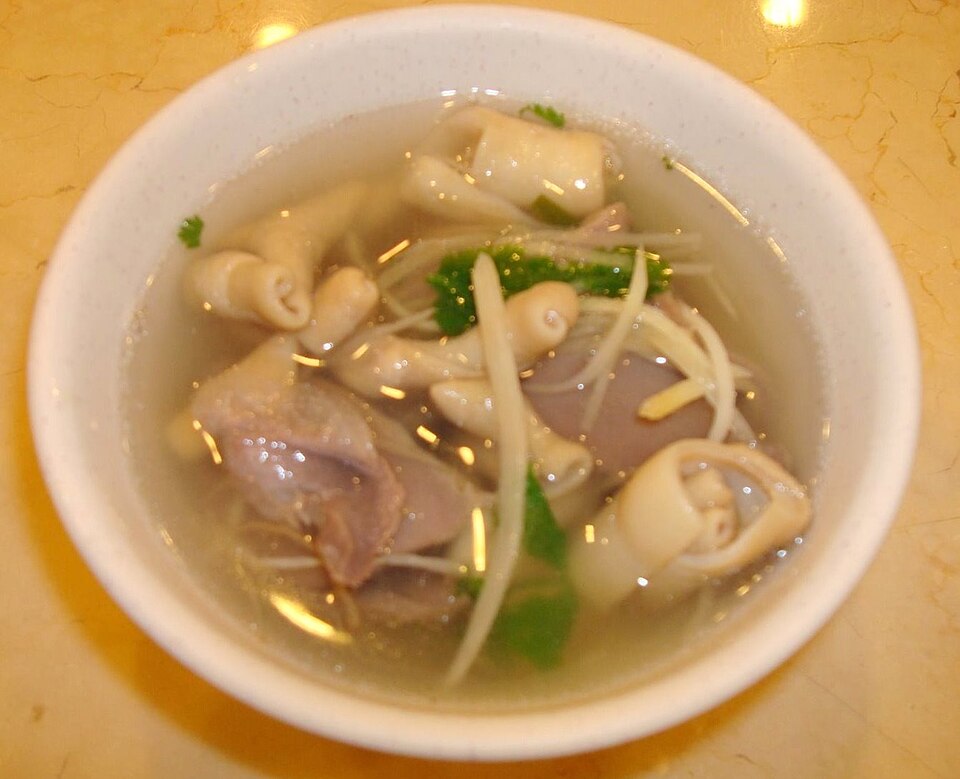
Shao jiu ji (燒酒雞) is chicken cooked in rice wine with medicinal herbs, often with cabbage. Typical herbs are angelica root, goji berries, chuanxiong, codonopsis and liquorice. It is one of the warming foods Taiwanese eat in winter, and many believe it helps people with cold hands and feet.
Where it came from
Eating rich, warming food as the cold sets in is an old Taiwanese custom called 補冬 (bu dong, "topping up for winter"). Around the start of winter (立冬), many families cook tonic dishes such as sesame-oil chicken (麻油雞) to reward a year of hard work, and rice-wine chicken shares the seasonal menu with ginger duck (薑母鴨) and lamb hotpot. The writer Tsao Ming-tsung argues that Taiwanese rice wine (米酒) is what gives these tonic soups their local character. Chinese and Japanese rice wines are brewed, while Taiwan's is distilled, so it is stronger, and a large share of its alcohol comes from sugarcane molasses, which adds sweetness. The dish is said to have taken off during Taiwan's economic boom of the 1970s, and it is now sold widely through the colder months.
How it is made
The herbs soak in rice wine first. Chopped chicken goes in, the pot is brought to a hard boil and seasoned, and it then simmers on low heat until the meat is tender. Some shops make the broth entirely from rice wine. Cooking does not drive off all the alcohol: one estimate puts the share left after an hour of simmering at about a quarter.
How to eat it
It is served hot as a main dish, mostly in the colder months. A bowl of misua (thin wheat noodles) tossed with garlic is the usual side. The broth can hold enough alcohol to matter, and Taiwan has had drink-driving cases after a meal of it, so do not drive afterwards.
Around Taiwan
- Kaohsiung
- Ke Peh (雞伯), open since 1977 in Sinsing District, cooks free-range Tainan chicken in a broth made wholly of rice wine, with angelica, red dates and goji.