What it is
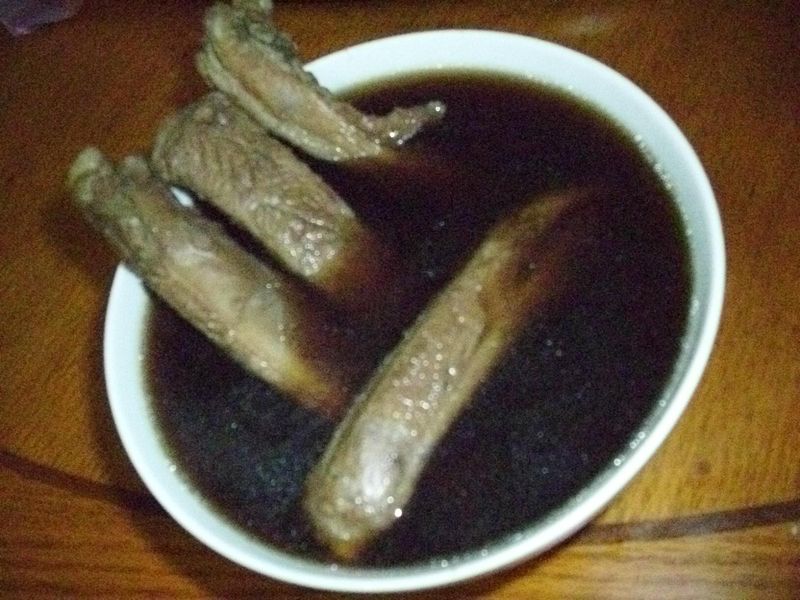
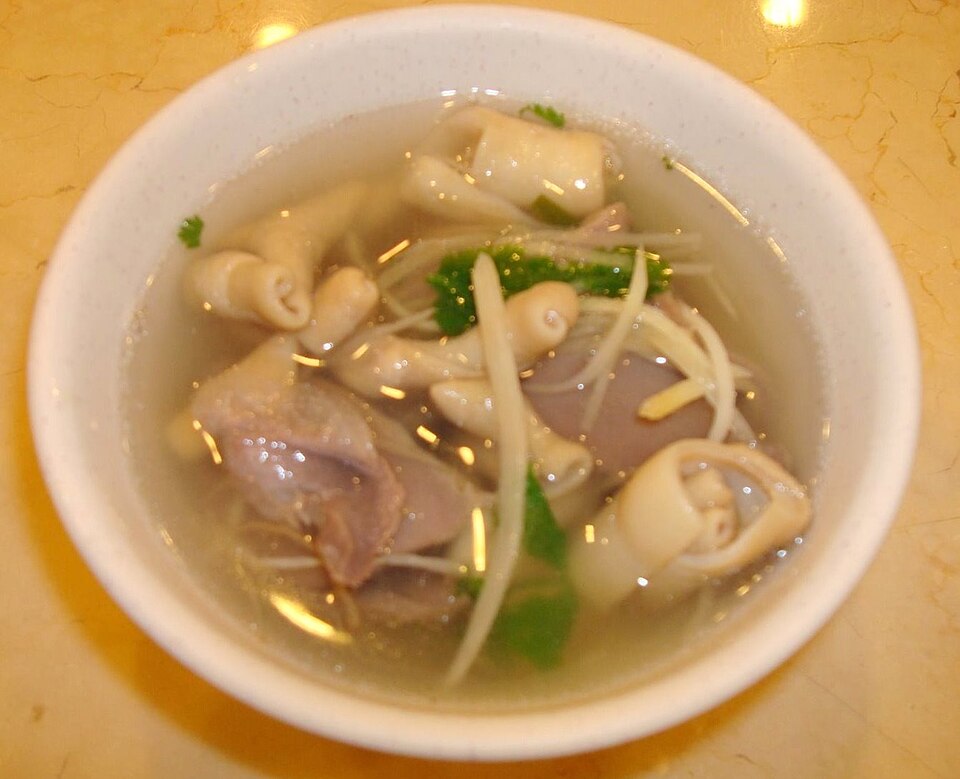
Sesame oil chicken (麻油雞, má yóu jī) is chopped chicken stewed in rice wine with slices of old ginger fried in black sesame oil. Hakka families also call it 雞酒, "chicken wine". It is mostly cooked at home, as a winter tonic and for new mothers, and specialist shops sell it by the bowl.
Where it came from
The idea is old. A Tang dynasty food-therapy book, the Shiliao Bencao (食療本草), describes a chicken cooked in black sesame oil and left to steep in wine overnight, given to new mothers to make them plump and healthy. A legend reaches further back, to Qiang (羌) people who brought lamb cooked in sesame oil to the Central Plains during the upheavals of the fourth and fifth centuries. Han cooks, the story goes, disliked the smell of mutton and used chicken instead.
In Taiwan the dish became the standard food of postpartum confinement (坐月子), the month of rest after childbirth. It is valued as warming, high in protein and cheap. A common saying contrasts Cantonese mothers, who eat ginger in vinegar, with Taiwanese mothers, who eat sesame oil chicken. It is winter food too. At the start of winter (立冬) many families stew it at home for 補冬, "mending for winter", a custom rooted in farmers restoring their strength after a year of hard work.
How it is made
Old ginger is sliced thin with the skin on and fried slowly in black sesame oil until it curls and dries. In traditional Chinese medicine, sesame oil counts as cooling when raw and warming once heated. Chopped chicken goes in and is stir-fried until white. Rice wine, often with some water, covers it, and the pot simmers for 30 to 50 minutes. Some cooks add more wine near the end. Goji, red dates or angelica root are optional. Many cooks leave out salt, saying it turns the broth bitter.
How to eat it
It is eaten most in cold weather and by new mothers during confinement. Thin wheat noodles (麵線, mian xian) are a common partner. Shops let you add noodles, pig liver or rice blood cake (米血), and some sell glutinous rice cooked with sesame oil (麻油糯米飯). Not all the alcohol cooks off, which matters for children, pregnant or breastfeeding women and drivers.
Around Taiwan
- Hakka
- Among the Liudui (六堆) Hakka of Pingtung and Kaohsiung it is called 薑酒, "ginger wine". Traditionally, twelve days after a first son or eldest daughter is born, the father takes it to the matchmaker and the maternal families. One pot must hold the chicken's head and tail, for completeness.